WHAT IS Pregnancy care in First trimester
- Definition
- Causes
- Symptoms
- Diagnosis
- Ayurvedic Tips
- FAQS
- References
Definition
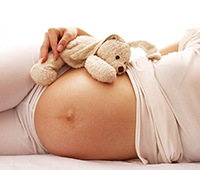
Union of sperm and ovum starts a new life in mother’s uterus. This is the start of the pregnancy. Pregnancy period is divided into 3 distinct periods called trimester. The word trimester means 3 months. A normal pregnancy spans 40 weeks or 9 months. There are thus 3 trimesters. The first trimester begins as soon as the baby is conceived and continues through week 14 of the pregnancy.1
Unlike western world, Ayurveda gives bigger meaning to pregnancy. It describes garbha (foetus – baby in womb) as a combination of various factors: maternal, paternal, mental, dietary, and factors related to body and soul. These paternal and maternal factors can be improved by following right guideline. This guideline includes right conduct of speech, body, and mind. Childbirth is a great marvel of nature where many complex factors come together to develop a new human being with healthy mind and body.2
Disclaimer: The information on this page is not intended to be a substitute for professional medical advice. Do not use this information to diagnose or ayurvedic treatment of womens-health and/or pregnancy care in first trimester without consulting the doctor. Consult your physician before beginning an exercise regime. "While we have products /ayurvedic medicines for womens-health and/or pregnancy care in first trimester, you must consult an authorized physician before taking any of the products. For more information on products, visit www.dabur.com or call 1800-103-1644"
Causes
Causes OF Pregnancy care in First trimester
According to Ayurveda following factors affect the health and normalcy of a fetus
- Kula or gotra of parents,
- maternal age at the time of conception,
- health of the reproductive organs,
- time of conception,
- beeja (egg) of mother,
- maternal diet during pregnancy,
- drugs taken during pregnancy, and
- any disease in the mother during her pregnancy
From a doshic or elemental perspective during the pregnancy there are several changes in a woman’s body. Some of these include3 –
- Vata dosha leads to expansion and intense transformation within. There is too much of the dry, light, mobile, cool, or clear qualities which may lead to constipation, dry skin, nervousness/anxiety, absent mindedness, or difficulty sleeping.
- Pitta dosha leads to to changes in metabolism and increased bodily heat causing hot, sharp, light, penetrating, or oily qualities leading to irritability, anemia, morning sickness, nausea, heartburn, indigestion, bleeding tendencies, or trouble falling asleep.
- Kapha dosha leads to increase in bulk later in pregnancy from the slow, heavy, dull, sluggish, cloudy, cool, and oily qualities. This causes weight gain, fluid retention, congestion, or excess sleep or yeast infections.
Disclaimer: The information on this page is not intended to be a substitute for professional medical advice. Do not use this information to diagnose or ayurvedic treatment of womens-health and/or pregnancy care in first trimester without consulting the doctor. Consult your physician before beginning an exercise regime. "While we have products /ayurvedic medicines for womens-health and/or pregnancy care in first trimester, you must consult an authorized physician before taking any of the products. For more information on products, visit www.dabur.com or call 1800-103-1644"
Symptoms
Symptoms OF Pregnancy care in First trimester
Few changes occur in the initial few weeks of the first trimester. However much is changing within the body. There is a surge or hormones that help keep the pregnancy and also nourish the baby to help it develop and grow.
Changes in the body of the mother –
- Morning sickness – This period of the pregnancy may be uncomfortable with bouts of nausea (an urge to vomit). Morning sickness actually can occur any time of the day or night. It does not always start with pregnancy, it sometimes begins as early as three weeks after conception. This is caused due to rapidly rising levels of estrogen and progesterone or the female hormones. Certain smells may cause waves of nausea in early pregnancy.
- Swollen and tender breasts – Hormonal changes lead to swollen and tender breasts. Wearing a more supportive bra or a sports bra might help.
- Frequent urination – The pressure from the growing uterus leads to more frequent urge to urinate.
- Feeling tired – Sleepiness or drowsiness is common during this time
- Dizziness
- Cravings and aversions to certain foods
- Heartburn/acidity and bloating
- Constipation
- Mood swings, irritability, anxiety is common during this time due to hormonal changes
Disclaimer: The information on this page is not intended to be a substitute for professional medical advice. Do not use this information to diagnose or ayurvedic treatment of womens-health and/or pregnancy care in first trimester without consulting the doctor. Consult your physician before beginning an exercise regime. "While we have products /ayurvedic medicines for womens-health and/or pregnancy care in first trimester, you must consult an authorized physician before taking any of the products. For more information on products, visit www.dabur.com or call 1800-103-1644"
Diagnosis
Diagnosis OF Pregnancy care in First trimester
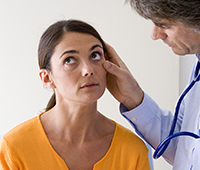
The first doctor’s visit might be as soon as the pregnancy is detected. Detailed history of past pregnancies, menstrual cycle, family history and other relevant medical history is obtained. The first visit also involves checking up physically and calculating the due date. To estimate the due date, 9 months and 7 days are added to the date the last menstrual period started. The due date will be about 40 weeks from the first day of the last period. Physical exam involves checking height and weight and also checking vital signs like the mother’s blood pressure, heart rate and breathing rate.
Laboratory tests at the first visit to the doctor or during the first trimester include blood tests to check for blood type, haemoglobin levels, infections such as hepatitis B, syphilis, gonorrhea or chlamydia, and HIV, the virus that causes AIDS etc. Other tests includes tests of the urine.
Ultrasound examination is performed to check the uterus and the growing fetus.
Disclaimer: The information on this page is not intended to be a substitute for professional medical advice. Do not use this information to diagnose or ayurvedic treatment of womens-health and/or pregnancy care in first trimester without consulting the doctor. Consult your physician before beginning an exercise regime. "While we have products /ayurvedic medicines for womens-health and/or pregnancy care in first trimester, you must consult an authorized physician before taking any of the products. For more information on products, visit www.dabur.com or call 1800-103-1644"
Ayurvedic Tips
Ayurvedic Tips Pregnancy care in First trimester
The first doctor’s visit might be as soon as the pregnancy is detected. Detailed history of past pregnancies, menstrual cycle, family history and other relevant medical history is obtained. The first visit also involves checking up physically and calculating the due date. To estimate the due date, 9 months and 7 days are added to the date the last menstrual period started. The due date will be about 40 weeks from the first day of the last period. Physical exam involves checking height and weight and also checking vital signs like the mother’s blood pressure, heart rate and breathing rate.
Laboratory tests at the first visit to the doctor or during the first trimester include blood tests to check for blood type, haemoglobin levels, infections such as hepatitis B, syphilis, gonorrhea or chlamydia, and HIV, the virus that causes AIDS etc. Other tests includes tests of the urine.
Ultrasound examination is performed to check the uterus and the growing fetus.
Dietary advice includes –
- Eating a healthy balanced diet
- Including lots of fruits and vegetables in diet
- Including adequate dairy foods
- Including whole grains and complex carbohydrates rather than refined carbohydrates
- Routine use of folic acid supplements daily. Foods rich in folic acid include lentils, kidney beans, green leafy vegetables, citrus fruits, nuts, and beans.
- Food should be enriched with all six types of tastes (sweet, pungent, sour, bitter, spicy and astringent)
- Female with prior history of abortion should avoid brinjal, suran elephany yam), papaya, celery, onion, chili, garlic, ginger, pepper, mustard, jaggery from diet
- Those who suffer from constipation, gas, bloating should avoid peas, potato and other heavy to digest cereals. They can take green grams.
- Removing alcohol from diet absolutely
- Reducing caffeine intake and quitting smoking
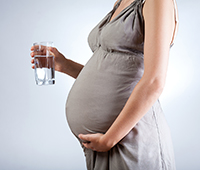
- Taking adequate amounts of clean drinking water
During the first trimester Ayurveda emphasizes on nourishing rasa and rakta dhatu, that is blood and blood plasma. This means diet should be rich in juicy fruits, coconut water, herbal infusions (raspberry leaf, nettle, oatstraw). Milk and ghee should be included in diet.
- Lifestyle recommendations include regular exercise and keeping fit.
- Avoid abnormal asanas (positions) in sexual intercourse, straining at abdomen, heavy exercise and weight loss programs
- Avoid travelling in a vehicle on rough roads, sitting for long hours, lifting heavy objects
- Avoid negative feelings and thoughts such as sorrow, anger, grief, fear and doubt as these things will affect mental and physical growth of fetus
- Avoid exposure to unhappy or violent events
- Avoid sleeping during the day and staying up late in night
- Do not hold natural urges like holding urine or motion
- Healthy pregnant women should take moderate-intensity aerobic activity a week.
- Exercise can ease and prevent pains and other complications of pregnancy. Regular exercise also ensures good sleep.
- Best activities recommended for pregnant women include activities at a moderate level of effort such as walking, swimming, dancing, cycling etc.
Routine dental and oral health checkups are also important during pregnancy. This would ensure healthy teeth and gums. Travel is usually safe during first trimester but long trips are best avoided.
Disclaimer: The information on this page is not intended to be a substitute for professional medical advice. Do not use this information to diagnose or ayurvedic treatment of womens-health and/or pregnancy care in first trimester without consulting the doctor. Consult your physician before beginning an exercise regime. "While we have products /ayurvedic medicines for womens-health and/or pregnancy care in first trimester, you must consult an authorized physician before taking any of the products. For more information on products, visit www.dabur.com or call 1800-103-1644"
FAQS
FAQS
1. I am 3 month’s pregnant, what diet I should take according to Ayurveda?
Ayurveda recommends right dietary and lifestyle changes along with herbs to promote a healthy pregnancy.
Dietary advice includes –
- Eating a healthy balanced diet, lots of fruits, vegetables and adequate diary foods
- Including whole grains and complex carbohydrates rather than processed foods
- Routine use of folic acid supplements daily. Foods rich in folic acid include lentils, kidney beans, green leafy vegetables, citrus fruits, nuts, and beans.
- Food should be enriched with all six types of tastes (sweet, pungent, sour, bitter, spicy and astringent)
- Female with prior history of abortion should avoid brinjal, suran, papaya, celery, onion, chili, garlic, ginger, pepper, mustard, jaggery in diet
- Those who suffer from constipation, gas, bloating must avoid peas, potato and other heavy to digest cereals. They can take green grams.
During the first trimester Ayurveda emphasizes on nourishing rasa and rakta dhatu, that is blood and blood plasma. This means diet should be rich in juicy fruits, coconut water, herbal infusions (raspberry leaf, nettle, oatstraw). Milk and ghee should be included in diet.
2. What care do I take for first three months of pregnancy?
According to Ayurveda following lifestyle changes to be made:
- Include regular exercise and keep fit.
- Avoid abnormal asanas (positions), avoid sexual intercourse, straining at abdomen, heavy exercise and weight loss programsn
- Avoid travelling in a vehicle on rough roads, sitting for long hours, lifting heavy objects
- Avoid negative feelings and thoughts such as sorrow, anger, grief, fear and doubt as these things will affect mental and physical growth of fetus
- Avoid exposure to unhappy or violent events
- Avoid sleeping during the day and staying up late in night
- Do not hold natural urges like holding urine or motion
3. What can I expect during my 2nd trimester?
The mother’s body changes significantly during second trimester. The discomforting symptoms of the first trimester like morning sickness, fatigue, bloating etc are typically lower during this time. It is sometimes the easiest of the three trimesters of pregnancy. During this time the baby grows rapidly. Some of the maternal changes include
- Larger breasts. Breast tenderness that was present during the first trimester may be reduced in intensity.
- Growing uterus leads to a growing belly
- Starting in the second trimester, there may be a weight gain of about 1.4 to 1.8 kilograms a month until delivery.
- There may be slight contractions of the uterus wall as it builds strength.
- Dark patches may appear over the skin. There may be a dark line down the abdomen
- Stretch marks may also become apparent
- Nasal and gum problems may appear.
- Spells of dizziness are common
- Leg cramps especially in the calf muscles can occur more frequently.
- Some vaginal discharge is seen
- Enlarging uterus may press upon the bladder. Bladder and urinary infections are common.
4. What diet should I take post-delivery?
Ayurveda suggests following diet recommendation post-delivery:
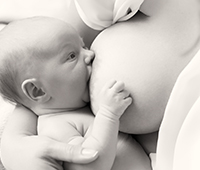
- Increase intake of foods that include sesame seeds, dry nuts, fenugreek seeds/leaves, garlic, drumsticks & carom seeds to increase milk supply for breastfeeding.
- Have fresh milk as the first meal of the day to help may help enhance the quality of the breastfeeding milk.
- Consume and cook vegetables such as beans, squash, carrots, beets, green leafy vegetables and zucchini preferably in ghee.
- Lentils, cereals and whole grains should be seasoned with whole spices and served hot.
- Avoid cabbage, potatoes and cauliflower during the first three weeks.
- Avoid leftover foods, stale and cold foods.
5. I am 4 months pregnant and suffer from acidity. What can I do to avoid acidity?
Ayurveda suggests simple diet changes to prevent acidity. Few of them are:
- Avoid excess greasy or spicy foods
- Irregular eating habits to be avoided
- Include more leafy vegetables and Adequate water intake
- Avoid sleeping just after taking meal.
- Excessive intake of the caffeine to be avoided. Carbonated drinks are to be avoided
- The diet should consist of milk with sugar, and a little old rice.
- Other recommended substances are: barley, wheat, rice (at least one year old), cucumber, bitter gourd, green banana, pumpkin, pomegranate, and cow's milk.
- Pomegranate juice andpomegranate chutney also help balance the acid in the stomach. It tastes sour, but it is actually both astringent and bitter, which help balance Pitta.
- Eating small meals more often helps in digestion
6. I am pregnant and get often constipated. What can I do?
Ayurveda and general medicine recommend a dietary plan for pregnant women with constipation. This includes –
- Plenty of fluids in diet
- Adequate amounts of fruits and vegetables
- Vata and Pitta pacifying diets including warm soupy foods
- Lightly cooked seasonal vegetables and stewed fruits
- Inclusion of ghee in diet and large glass of warm water with each meal
Lifestyle suggestions:
- Light massage with warm sesame oil
- Regular physical activity can help reduce pregnancy constipation
- Quitting smoking and alcohol
- Cutting down on caffeine containing drinks
- Taking regular and frequent meals
7. What is dysmenorrhea?
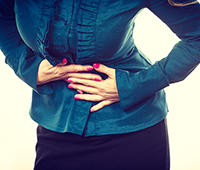
Dysmenorrhoea refers to painful menstruation that is periods with menstrual cramps. These pains are typically throbbing or cramping pains in the lower abdomen. These pains are usually apparent just before and during the menstrual periods in most women who suffer from dysmenorrhea. The pain may range from annoying or a discomfort to severe so that it may be difficult to do you daily routine for few days every month. In some women, the cause of dysmenorrhea may be endometriosis or uterine fibroids while in young girls ovulatory cycles, pin hole and other psychological factors may cause the condition.
In Ayurvedic classics, menstrual pain which is so severe that you cannot do daily activities is termed as dysmenorrhea (Kashtartava). According to Ayurvedic text there are many other diseases in which Kashtartava is considered and is described as a symptom. According to Ayurveda, aggravation of vata and pitta dosha are the main causes of menstrual diseases.
8. I have endometriosis. Can I exercise during menstruation?
For women with endometriosis, regular rest is important. Women should avoid exercise during menstruation and should keep their exercise relatively moderate throughout the month. In general also, strenuous physical activity, prolonged standing etc may be avoided during periods.
Forms of exercise that regulate the flow of Vata and nourish the nervous system such as walking, swimming, Tai chi, Qigong and some forms of yoga are advisable.
Regularity in daily routine (going to bed and waking up at a similar time each day and regular meal times) is very important for calming aggravated Vata, as is regular self-abhyanga / warm oil massage.
9. I am not able to conceive since last two years. What could be the reason?
According to Ayurveda, Vandhyatva or Female infertility is a disease of the reproductive system involves the failure to achieve a pregnancy or a live offspring. Infertility exists when a healthy couple is unable to achieve pregnancy after two or more years or fail to conceive for several years after the first delivery.
The causes of infertility may lie in the male partner or in the female partner. Possible causes of male infertility include –
- Hormonal imbalances
- Altered quality of sperm that may be low in number or may be unhealthy
- Blockage of the tube that carries the sperm to the penis from the testes
- Impotence or erectile dysfunction
The causes of female infertility include –
- Hormonal imbalances
- Damage to the fallopian tubes or diseases of the ovaries or womb
- Fibroids or endometriosis affecting the uterus
Some general causes of infertility include:-
- Early and Late marriage: Not well development of reproductive organs.
- Nutrition less & fat rich food: No nourishment of body, tempers ovary function.
- Tight clothing & mobile: Overheating of testis leads to low sperm count.
- Smoking & alcoholism: Lowers motility of sperms and lowers LH hormones.
- Improper hygiene of genital organs: Causes infection of genital tract.
- Stress: Loss of energy and enthusiasm to do sex.
- Loss of libido. Affects HPO axis leads to impairment of ovarian function. e to above causes disord
Long term diseases, psychological or environmental factors may cause infertility in both men and women. With age fertility usually declines.
10. Is menopause a disease?
Menopause is a natural physiological state. It is defined as occurring 12 months after a woman’s last menstrual period and marks the end of menstrual cycles. Menopause can happen in the 40s or 50s. It is a natural biological process that ends the fertility. However it is no reason not to stay healthy and vital.
Ayurveda describes menopause as a normal stage of life that comes with aging. ‘Vata’ increased during the later years of life. Hence symptoms of menopause experienced by some women are similar to the symptoms seen when the Vata dosha rises and upsets the normal balance of the body. Vata-type menopausal symptoms are depression, anxiety, and insomnia (not able to sleep properly). There can be involvement of more than one dosha in menopause. Women with Pitta-type symptoms are often angry and suffer hot flashes. Kapha type symptoms include low mood, weight gain, and feelings of mental and physical heaviness.
Disclaimer: The information on this page is not intended to be a substitute for professional medical advice. Do not use this information to diagnose or ayurvedic treatment of womens-health and/or pregnancy care in first trimester without consulting the doctor. Consult your physician before beginning an exercise regime. "While we have products /ayurvedic medicines for womens-health and/or pregnancy care in first trimester, you must consult an authorized physician before taking any of the products. For more information on products, visit www.dabur.com or call 1800-103-1644"
References
References
- Nanal VV et al. Maternal health, supraja (eugenics) and Ayurveda. Accessed on 3rd September 2016, downloaded from: http://www.ncbi.nlm.nih.gov/pmc/articles/PMC3336340/pdf/ASL-28-44.pdf
- An ayurvedic overview: Beginnings of pregnancy. Accessed on 3rd September 2016, downloaded from: http://www.mamayurveda.com/blog/expect-month-1
- Prenatal care in your first trimester. Accessed on 3rd September 2016, downloaded from: https://medlineplus.gov/ency/patientinstructions/000544.htm
- First trimester. Accessed on 3rd September 2016, downloaded from: https://my.clevelandclinic.org/ccf/media/Files/OB_GYN/First-Trimester.pdf?la=en
- Update on Prenatal Care. American Family Physician. 2014;89:199-208.
- Healthy beginnings: guidelines for care during pregnancy and childbirth. SOGC 1998;71:1-65.
- Bagde AB, et al. Ayurvedic approach for conceiving a healthy progeny. Int Res J Phar 2013; 4(4): 23-27.
Disclaimer: The information on this page is not intended to be a substitute for professional medical advice. Do not use this information to diagnose or ayurvedic treatment of womens-health and/or pregnancy care in first trimester without consulting the doctor. Consult your physician before beginning an exercise regime. "While we have products /ayurvedic medicines for womens-health and/or pregnancy care in first trimester, you must consult an authorized physician before taking any of the products. For more information on products, visit www.dabur.com or call 1800-103-1644"
Know more on Women's Health