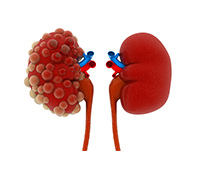
1. How does stones form in our kidneys?
Many a times, kidney stones will not have a single cause, and there could be several factors that increase its risk. Higher concentration of crystal-forming substances in the urine — such as calcium, oxalate and uric acid can cause crystallization of these salts. Additionally, lack of substances in urine which will prevent crystal formation end up creating the perfect environment for formation of kidney stones.
2. What is pyelonephritis?
The infection of the kidney is medically termed as pyelonephritis. It is a type of urinary tract infection (UTI) that usually starts from the lower organs such as the urethra or urinary bladder and gradually moves up to the kidneys. Such infections need immediate medical attention as if left untreated they can cause permanent damage to the kidneys.
3. How does CKD develop?
CKD happens due to any secondary condition that impairs the functioning of the kidneys over a period of time. Some of these secondary conditions are-
- Diabetes
- High blood pressure
- Inflammation of kidneys
- Polycystic kidney disease
- Enlarged prostate problems, kidney stones
- Some cancers
- Recurrent kidney infection
4. Do children suffer from kidney disease? How?
Children can get affected with many kidney related diseases. The commonest of these are either an acute kidney disease or chronic long term disease.1 Having a kidney disease can mean treatable disorders without long-term consequences to life-threatening conditions in children.
As in adults, the causes of kidney disease in children are various secondary conditions of situations, which will impair the functioning of the kidneys over a period of time. Some of these secondary conditions are -
- Developmental defects of birth
- Any serious infection
- Any hereditary condition
- Any serious major diseases
- Trauma
- Blockage of urine
5. What is acute kidney failure? How is it different form chronic failure?
Acute kidney failure means that the kidneys are unable to filter any waste products from the body and this condition develops rather quickly. Due to the failure of the kidneys to filter blood, dangerous levels of waste accumulates in the body causing severe toxic conditions.Chronic kidney failure on the other hand develops gradually over a few weeks, months or even years.
6. How does a high BP affect the kidneys?
The condition of having a high blood pressure over a long period of time is known to cause damage to the blood vessels of the kidneys. This damage results in a reduced ability of the kidneys to perform their functions. This is because a high blood pressure requires the blood vessels inside the kidneys to stretch more than usual. Over a period of time the tiny blood vessels of the kidneys start showing scars due to stretching, leading to various kidney diseases.
7. What is proteinuria how is it caused?
Proteinuria simply means the presence of ‘protein’ in the urine. This is mostly indicative of poor functioning of the kidneys whereby the proteins are being leaked in to the urine and thrown out of the body. While some amount of protein is found in urine, the quantity increase in kidney damage.
The causes of proteinuria are physiological (meaning temporary), such as after exercise, cold climate, fevers etc; as well as pathological (due to an underlying condition) such as diabetes, kidney tumors, heart disease, liver failure etc.
8. Why do we have anemia in a kidney disease?
Kidneys perform many important functions apart from filtering he blood. One such vital activity is production of a substance called EPO (Erythropoeitin) which is essential for manufacture of new red blood cells. As the functions of kidneys are hampered in kidney disease, the production of EPO gets affected and results in low RBC production and hence anemia. In advanced stage of kidney disease, where hemodialysis is required, blood loss during hemodialysis also results in anemia.
9. What is hydronephrosis?
Hydronephrosis refers to the swelling of a kidney that occurs due to accumulation of urine in them. For some reasons, due to a blockage or obstruction of the ureters, the urine being formed in the kidneys cannot move out and gets retained inside the kidneys leading to swelling of the kidneys. This can happen either in any one or both of the kidneys.
10. Why are women more prone to getting a UTI?
Women are more likely than men to get an UTI. This is because of the shorter length or the urethra - that allows infections to travel upwards quickly. Additionally, in women, due to close proximity of the anal opening and the urethral opening, many GI tract infections (Such as those caused by E. coli) spread to the urinary tract.
Disclaimer: The information on this page is not intended to be a substitute for professional medical advice. Do not use this information to diagnose or ayurvedic treatment of kidney-diseases and/or kidney stones without consulting the doctor. Consult your physician before beginning an exercise regime. "While we have products /ayurvedic medicines for kidney-diseases and/or kidney stones, you must consult an authorized physician before taking any of the products. For more information on products, visit www.dabur.com or call 1800-103-1644"