1.How is sinusitis caused? Does it have anything to do with cold foods?
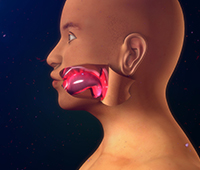
Sinusitis is basically an inflammation of the membranes of para-nasal sinuses or the group of four paired air-filled spaces that surround the nasal cavity. Colds, bacterial infections, allergies, asthma and other health conditions can cause sinusitis, or inflammation of the para-nasal sinuses.
In some people, cold foods may flare the condition and aggravate the allergies resulting in sinus problems. Such people should avoid eating cold foods.
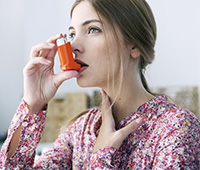
2.What are symptoms of Asthma? How do I know if someone may have asthma?
Symptoms of Asthma differ from person to person. Some may have infrequent asthma attacks, some have symptoms only at certain times — such as when exercising — or some have symptoms all the time.
Asthma signs and symptoms include-
- Shortness of breath
- Chest tightness or pain
- A whistling or wheezing sound when exhaling (wheezing is a common sign of asthma in children)
- Trouble sleeping caused by shortness of breath, coughing or wheezing
- Coughing or wheezing attacks that are worsened by a respiratory virus, such as a cold or the flu
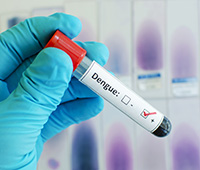
3.My reports show a low platelet count, do I have dengue?
Diagnosing dengue fever can be difficult, because its signs and symptoms can be easily confused with those of other diseases — such as malaria, chikungunya, leptospirosis and typhoid fever.
Your doctor will likely ask about your medical and travel history. Be sure to describe any contact you may have had with mosquitoes. Certain laboratory tests can detect evidence of the dengue viruses, but test results usually come back too late to help direct treatment decisions. A low platelet count is generally seen in dengue but is not the only isolated finding. Fever, body-ache, skin rash, which appears two to five days after the onset of fever and minor bleeding accompanied by low platelet count is conclusive of Dengue.
4.How does one contract typhoid?
Typhoid fever is caused by a bacteria called S. typhi. This bacteria spreads through ingestion of contaminated food or water, and occasionally through direct contact with someone who is infected. In developing nations, where typhoid fever is endemic, most cases result from contaminated drinking water and poor sanitation. The majority of people in industrialized countries pick up typhoid bacteria while traveling and spread it to others through the fecal-oral route or contamination of food and drinking water with fecal contact that may occur due to flies, etc.
This means that S. typhi is passed in the feces and sometimes in the urine of infected people. You can contract the infection if you eat food handled by someone with typhoid fever who hasn't washed hands carefully after using the toilet. You can also become infected by drinking water contaminated with the bacteria.
5.Can malaria only spread from mosquitoes?
Although the commonest cause of malarial fever is due to a bite by the infected female anopheles mosquito, this is not necessarily the only way one can be affected.
Because the parasites that cause malaria affect red blood cells, people can also catch malaria from exposures to infected blood, including:
- From mother to unborn child
- Through blood transfusions
- By sharing needles used to inject drugs
- Organ transplants
6.Does yellowness of eyes always mean there is a liver problem?
In some people who eat large amounts of food rich in beta-carotene (such as carrots, squash, and some melons), their skin may look slightly yellow, but their eyes do not turn yellow. This condition is not jaundice and is unrelated to liver disease.
Yellowness of the eyes is usually due to the leaked bilirubin pigment in the blood stream. This is called jaundice and most probably occurs in cases of liver inflammation. Such patients will also have a visible yellowness of skin.
7.How does one get elephantiasis?
Elephantiasis is basically swelling of the lymph glands due to an infection. The disease spreads from person to person by mosquito bites. When a mosquito bites a person who has lymphatic filariasis, microscopic worms circulating in the person's blood enter and infect the mosquito. People get lymphatic filariasis from the bite of an infected mosquito. The microscopic worms pass from the mosquito through the skin, and travel to the lymph vessels. In the lymph vessels they grow into adults. An adult worm lives for about 5–7 years. The adult worms mate and release millions of microscopic worms, called microfilariae, into the blood. People with the worms in their blood can give the infection to others through mosquitoes.
8.What is the difference between Pneumonia and Pneumonitis?
Pneumonia is an infection that inflames the air sacs in one or both lungs. The air sacs may fill with fluid or pus (purulent material), causing cough with phlegm or pus, fever, chills, and difficulty breathing.
Pneumonitis on the other hand, is a general term that refers to inflammation of lung tissue. Although pneumonia is technically a type of pneumonitis because the infection causes inflammation, most doctors refer to other causes of lung inflammation when they use the term "pneumonitis”.
Factors that can cause pneumonitis include exposure to airborne irritants at your job or from your hobbies. In addition, some types of cancer treatments and dozens of drugs can cause pneumonitis.
9.Is rheumatic fever same as rheumatoid arthritis?
They are different. Rheumatic fever occurs after an infection of the throat with a bacterium called Streptococcus pyogenes, or Group A streptococcus. Group A streptococcus infections of the throat cause strep throat or, less commonly, scarlet fever. Group A streptococcus infections of the skin or other parts of the body rarely trigger rheumatic fever. The exact link between strep infection and rheumatic fever isn't clear, but it appears that the bacterium ‘plays tricks’ on the immune system.
Rheumatic fever usually occurs in younger population especially children while rheumatoid arthritis is a systemic inflammation of the body that mostly affects the joints in adults. Rheumatoid arthritis is an autoimmune disease. This means that certain cells of the immune system do not work properly and start attacking healthy tissues — especially the joints. The one that affects young children is called stilts disease.
10.Every time I touch cold water I get these spots on my skin. There is no other complaint. Is this because of some allergy to water?
You may have a condition called Urticaria. It is a skin reaction that causes red or white itchy spots on the skin. There is a type of Urticaria called cold urticaria, in which skin that has been in contact with cold develops reddish, itchy spots. The severity of cold urticaria symptoms varies widely. Some people have minor reactions to cold, while others have severe reactions. Swimming in cold water is the most common cause of a whole-body (systemic) reaction.
Disclaimer: The information on this page is not intended to be a substitute for professional medical advice. Do not use this information to diagnose or ayurvedic treatment of allergy-immunity-infection-fever and/or dengue fever without consulting the doctor. Consult your physician before beginning an exercise regime. "While we have products /ayurvedic medicines for allergy-immunity-infection-fever and/or dengue fever, you must consult an authorized physician before taking any of the products. For more information on products, visit www.dabur.com or call 1800-103-1644"